An oxygen sensor is easy to ignore because it is not a part most drivers ever see. It sits in the exhaust, does its job in the background, and rarely gets any attention until the check engine light comes on. That makes it sound like a small issue.
It is not a small part when it starts feeding the engine bad information.
Why The Oxygen Sensor Has So Much Influence
The oxygen sensor measures the amount of oxygen remaining in the exhaust stream and sends that information to the engine computer. The computer uses that data to adjust the air-fuel mixture so the engine can run cleanly and efficiently. When the sensor is working correctly, the engine stays closer to its ideal position.
When it is not, the computer starts making decisions based on the wrong information. That is where a simple sensor problem starts affecting performance, fuel economy, emissions, and drivability simultaneously.
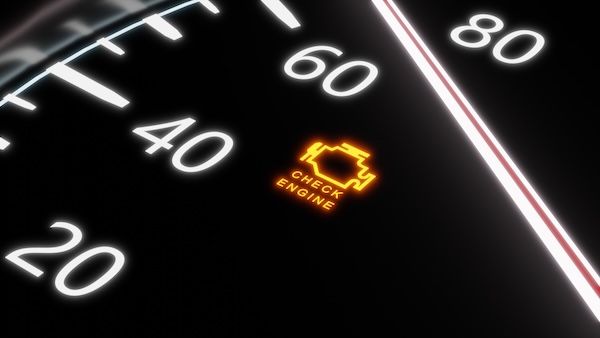
The Check Engine Light Is The Most Common First Clue
A faulty oxygen sensor is one of the most common reasons the check engine light shows up. Sometimes the car still feels normal at first, which is why people delay it. The light is there because the computer has already noticed that something in the fuel-control system is out of range.
That is an important point. A car can still run and still be using more fuel than it should, running dirtier than it should, or putting extra stress on parts that were not designed to keep compensating for bad sensor data.
Fuel Economy Usually Drops First
One of the biggest changes drivers notice is worse gas mileage. If the oxygen sensor is slow, inaccurate, or failing outright, the engine can run too rich or too lean. In many cases, it starts using more fuel than needed because the computer is trying to stay on the safe side without good feedback.
That means the driver may not feel a huge performance problem right away, but the fuel tank starts emptying faster than it used to. A lot of people blame traffic, weather, or fuel quality before realizing the engine management system has already shifted in the wrong direction.
Engine Performance Can Start Feeling Off
Once the mixture is no longer being controlled correctly, the vehicle can begin running rougher than it should. Acceleration may feel dull, idle may get a little rough, or the engine may hesitate under load. Those changes are not always severe in the beginning, but they are real.
This is where people get thrown off. The car still drives, so the issue feels less urgent than it should. A faulty oxygen sensor can make the engine feel slightly lazy for quite a while before the owner connects the problem back to a single emissions component.
When Emissions Go Up, The Catalytic Converter Works Harder
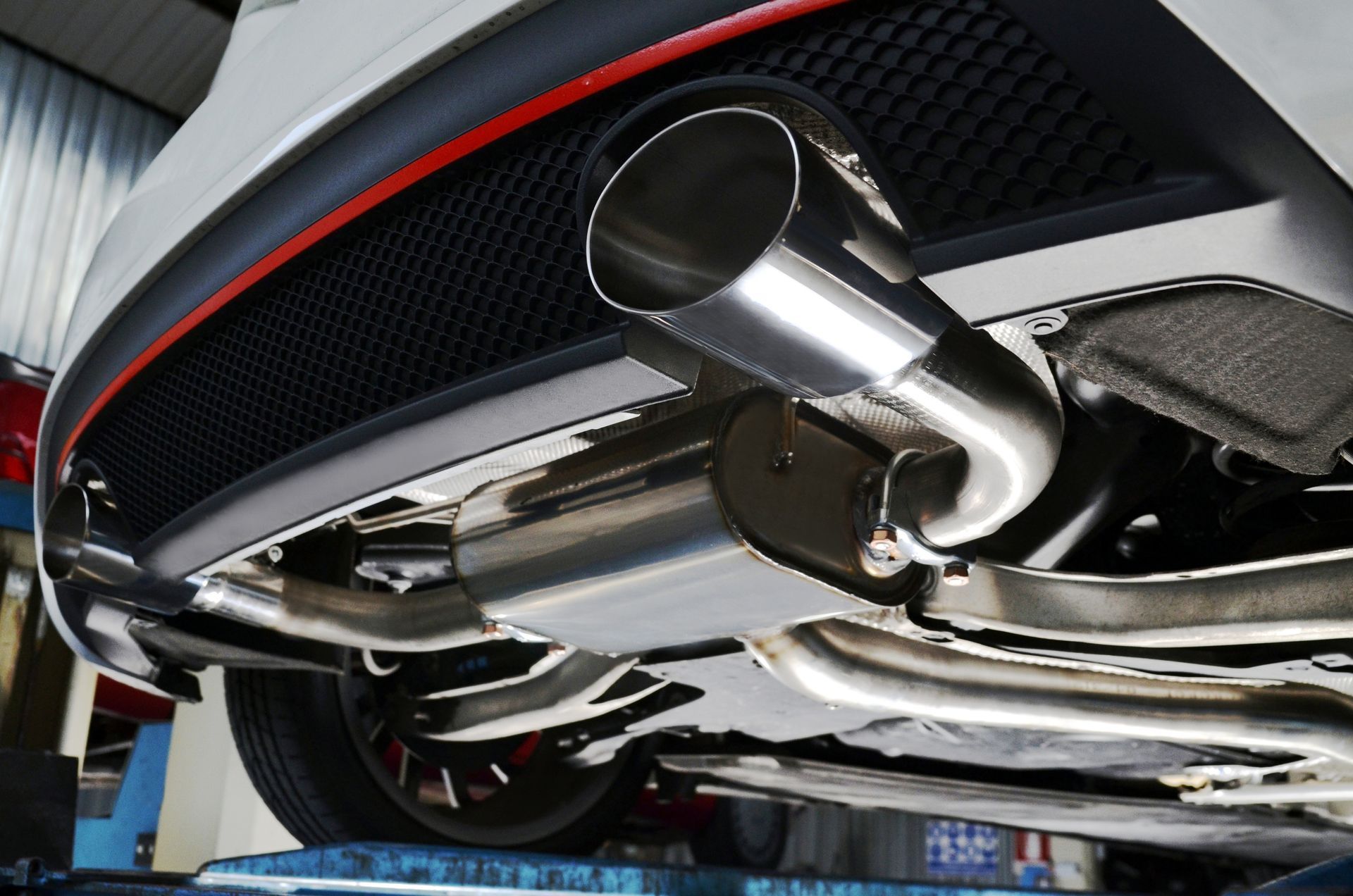
The oxygen sensor does not just affect how the engine feels. It affects how cleanly the vehicle runs. If the air-fuel mixture is off for too long, the catalytic converter has to work harder to clean up the pollutants the engine sends into the exhaust. That extra stress adds heat and wear where you do not want either one.
A few common problems tied to a bad oxygen sensor are:
- Lower fuel economy
- Rough idle or hesitation
- Failed emissions testing
- Check engine light warnings
- Catalytic converter strain
That last one is where this gets expensive. Replacing an oxygen sensor is one thing. Replacing a catalytic converter because the sensor problem sat too long is something else entirely.
Why The Car Does Not Always Feel Bad Right Away
Modern vehicles are very good at compensating. The engine computer can make small corrections for a while, which is why a bad oxygen sensor does not always create an immediate drivability complaint. The trouble is that the car is working around the problem, not solving it.
That is why early diagnosis helps so much. If the issue is caught while it is still mostly a check engine light and a fuel economy complaint, the repair stays much more focused. Waiting gives the problem more time to affect other parts of the system.
What Causes An Oxygen Sensor To Fail
Age and heat are the big reasons. Oxygen sensors live in a very hot environment and spend their life exposed to combustion byproducts. Over time, they simply wear out, slow down, or stop reading accurately. Contamination from oil burning, coolant leaks, or fuel problems can further shorten sensor life.
This is another place where regular maintenance helps. A sensor may still be working just well enough to avoid a major complaint while already falling behind. Checking codes and fuel-control data early gives a much better picture than waiting for the engine to feel obviously bad.
Why It Is Smarter To Fix It Early
A bad oxygen sensor can look like a simple warning-light problem, but it affects much more than the dashboard. Fuel use goes up, emissions control worsens, performance can drift, and the catalytic converter starts carrying an extra load. The longer it goes on, the more complex the repair becomes.
That is why it makes sense to deal with the problem while it is still centered on the sensor itself. Once the rest of the exhaust and fuel-control system starts paying for it, the repair cost climbs fast.
Get Oxygen Sensor And Check Engine Light Service In Florida, With King Mufflers
If your check engine light is on or your vehicle has started using more fuel and running less smoothly, King Mufflers in Hollywood, FL, Davie, FL, and Sunrise, FL, can inspect the system, confirm whether the oxygen sensor is the cause, and help you fix it before the problem spreads farther into the exhaust and fuel-control system.
Bring it in before a small sensor problem turns into a much bigger repair.