A catalytic converter usually does not fail overnight. Most clogs happen slowly, and the early signs can feel like random power loss or sluggish acceleration. Drivers often think it is a transmission problem at first, or they blame bad fuel. The converter is part of the exhaust system, but it is tied directly to how the engine runs, so problems upstream can quietly destroy it over time.
If you understand what makes converters clog, you can prevent a lot of expensive repairs. In many cases, the converter is not the original problem. It is the victim of something the engine has been doing for a while.
What The Catalytic Converter Is Doing Every Mile
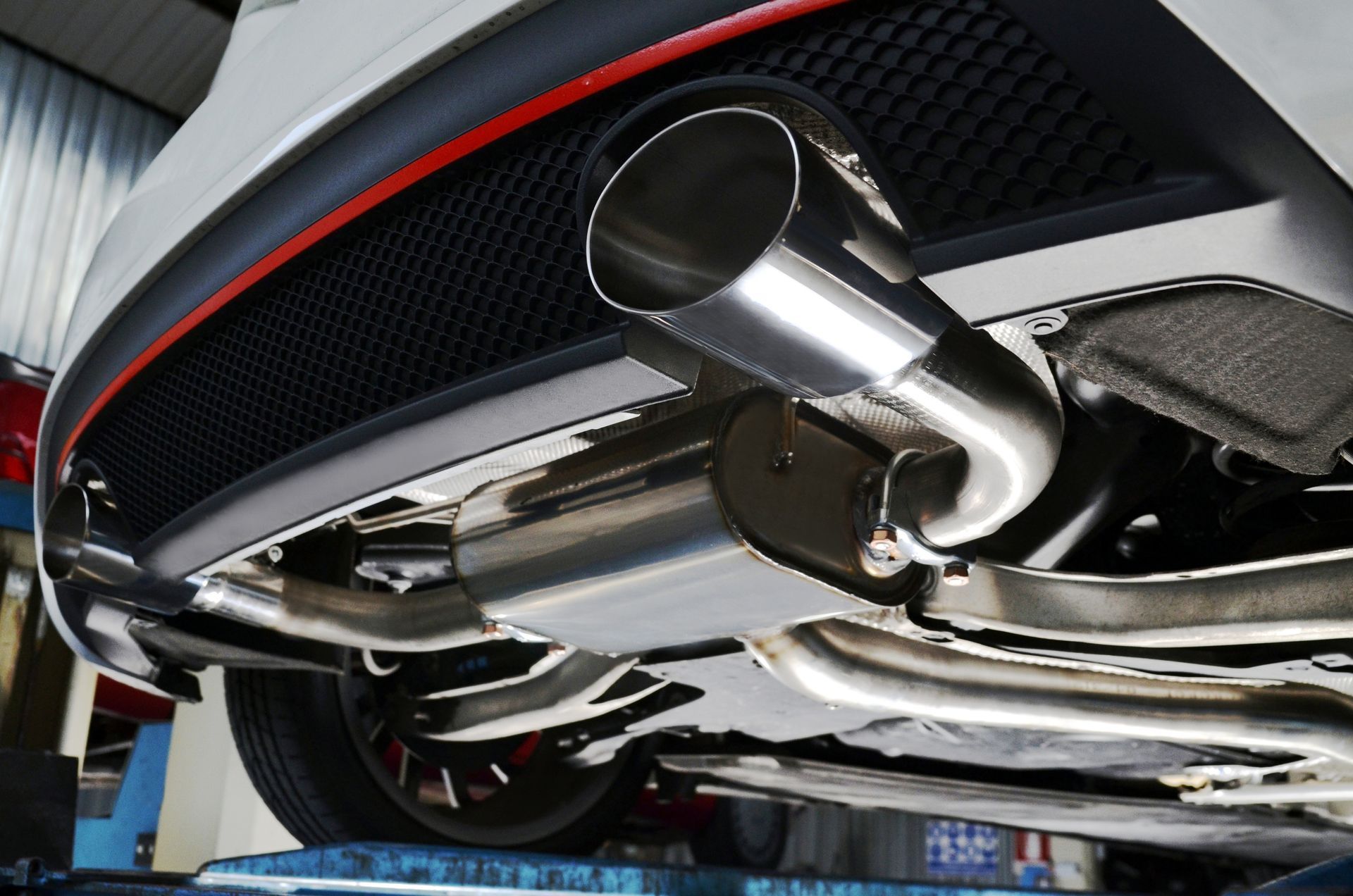
The converter is designed to reduce harmful emissions by turning exhaust gases into less harmful compounds. Inside is a honeycomb structure coated with precious metals. Exhaust flows through it, and the chemical reactions happen as the converter heats up.
That honeycomb structure is also the reason clogs matter. If it gets coated, melted, or broken apart, exhaust flow is restricted. Restricted flow makes the engine work harder to push exhaust out, and that can cause power loss, overheating, and poor drivability.
Running Rich And Unburned Fuel
One of the most common reasons converters clog is rich running. If the engine is dumping too much fuel, the converter has to process more hydrocarbons than it should. Over time, that extra load overheats the converter and can damage the internal substrate.
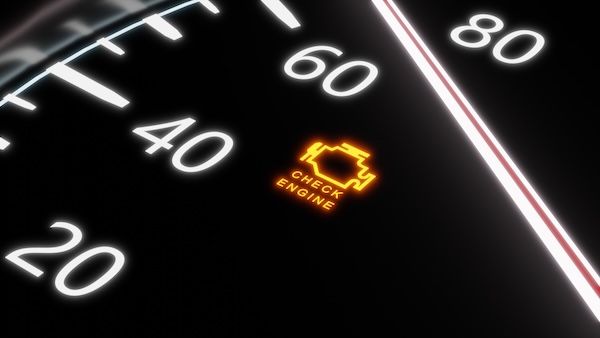
Misfires are even worse. A misfire sends raw fuel into the exhaust, which can ignite in the converter and melt the honeycomb. This is exactly why a flashing check engine light is urgent. It often signals a misfire that can destroy a converter quickly if you keep driving.
Here are common causes that lead to rich running and converter damage:
- Worn spark plugs or weak ignition coils causing misfires
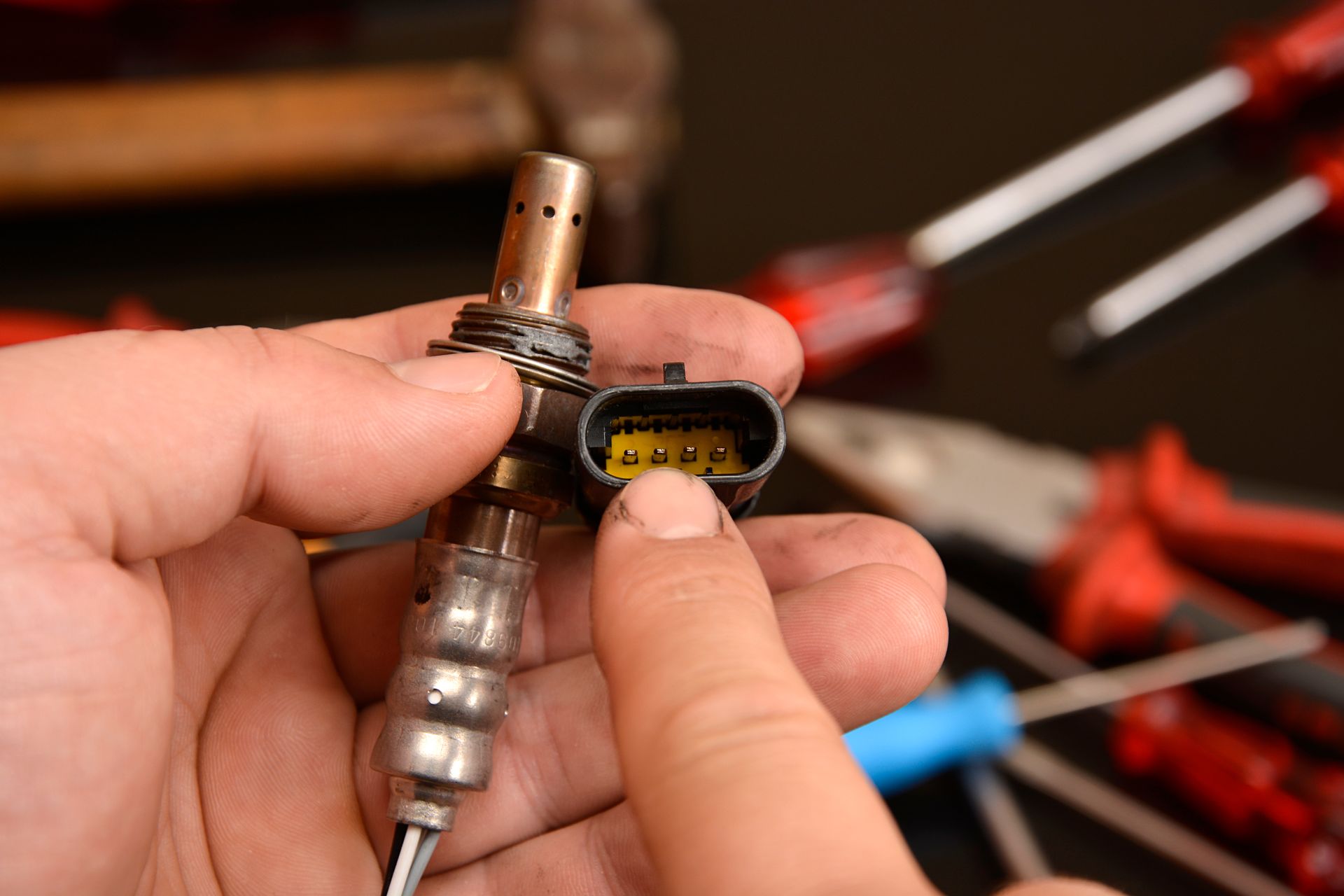
- Faulty oxygen sensors causing incorrect fuel correction
- Leaking injectors or fuel pressure issues
- Intake or vacuum leaks that confuse fuel trims
- If the engine is not burning cleanly, the converter pays the price.
Oil Burning And Coolant Contamination
Oil consumption is another big converter killer. When oil burns, it leaves ash that coats the converter substrate. Over time, that coating reduces the converter’s ability to do its job and can restrict flow. Many drivers notice the car using oil, then later get a converter efficiency code or power loss.
Coolant is also destructive. A leaking head gasket or internal coolant leak can send coolant into the combustion process, and that contaminates the converter. It can also foul oxygen sensors, worsening the fuel mixture and accelerating damage.
Short Trips And Heat
Converters need heat to work correctly, and short trips are hard on them. If the car is constantly started, driven a few miles, and shut off, the converter can not reach optimal operating temperature. That leads to moisture buildup and deposits forming over time.
Short trips also increase fuel dilution and carbon buildup in the engine, which can make the engine run less cleanly. The converter then has to work harder once the vehicle is driven longer.
Exhaust Leaks And Sensor Confusion
Exhaust leaks, especially upstream of oxygen sensors, can change sensor readings. Fresh air entering the exhaust can make the sensors report a lean condition, which can cause the engine to add fuel. That extra fuel increases converter heat and can accelerate clogging.
Leaks can also make the engine work harder and throw off how the emissions system responds. If you hear ticking near the engine bay, smell exhaust, or notice the exhaust suddenly louder, do not ignore it. It can turn into a bigger emissions and drivability issue.
Symptoms A Clogged Converter Can Create
Converter clogs usually show up as power problems first. The car may feel like it is struggling to breathe, especially on hills or during highway merges. Acceleration feels flat, and the engine may run hotter because exhaust heat is trapped.
Common symptoms include:
- Sluggish acceleration and reduced top-end power
- Hesitation under load, especially uphill
- Sulfur or rotten egg smell on some vehicles
- Check engine light with efficiency or fuel trim codes
- Engine running hotter than usual during long drives
These symptoms overlap with other issues, which is why testing matters before replacing the converter.
How To Prevent Converter Failure
The best prevention is keeping the engine running clean. If the car has a misfire, fix it quickly. If it is burning oil, address the cause before it becomes constant. If the check engine light is on, do not ignore it for months.
Regular maintenance also matters. Keeping plugs serviced, filters clean, and fuel and air systems in good shape reduces the chance of rich running. Paying attention to small leaks and sensor issues early prevents the converter from being forced to compensate for problems it cannot fix.
Get Catalytic Converter Service In Hollywood, Davie, and Sunrise, FL With King Mufflers
If you’re dealing with power loss, warning lights, or exhaust restrictions, the next step is to book service so the root cause can be repaired correctly before the converter clogs further.
Schedule service with King Mufflers in Hollywood, Davie, or Sunrise, FL to have your exhaust system checked, restored to proper flow, and protected from the stress that comes with a restricted converter.