You hear a new exhaust sound and someone says, “It is just a muffler, you can live with it.” Another friend swears a loud exhaust means more power, while the internet tells you to ignore small leaks as long as the car still runs. With exhaust systems, bad advice travels fast. The truth is, some of those “little things” around the pipes and muffler can affect safety, performance, and even your health.
Why Exhaust Misconceptions Stick Around
The exhaust system lives under the car, so most drivers only think about it when it gets loud. You do not see the catalytic converter, flex pipe, or hangers on a normal day, you just hear whatever comes out the back. Because of that, people tend to judge exhaust health by sound alone.
In reality, the system is doing several jobs at once. It routes hot gases safely away from the cabin, helps the engine breathe properly, and supports emissions controls so the check engine light stays off. Misunderstandings happen because you cannot always hear when those deeper jobs are going wrong.
Myth 1. A Loud Exhaust Always Means More Power
It is easy to assume that the louder a vehicle is, the stronger it must be. You hear a deep rumble and think the engine has to be making more horsepower. Most of the time, that is not true. A rusted out muffler or open pipe is just noise, not a performance upgrade.
Well designed performance exhausts can help the engine breathe better, but they are built with specific pipe sizes, bends, and muffler designs. Random holes, cut-off mufflers, or poorly sized pipes can actually hurt low end torque and make the engine feel weaker in daily driving. If the only change is that your ears hurt, you probably did not gain any useful power.
Myth 2. A Small Exhaust Leak Is No Big Deal
A tiny ticking sound under the car might not seem serious, especially if the vehicle still drives normally. That small leak is often exhaust escaping before it reaches the tailpipe, and that can create bigger problems over time. Hot gases can melt nearby plastic, cook wiring, or damage sensors.
Worn gaskets and loose flanges do not usually fix themselves. They tend to get worse with heat and vibration until the small leak becomes a large one. If the leak is far enough forward, it can also allow exhaust into the cabin. We have seen drivers ignore a faint leak, only to end up with a loud exhaust, damaged parts near the leak, and a larger repair bill later.
Myth 3. You Can Ignore the Check Engine Light If the Car Sounds Fine
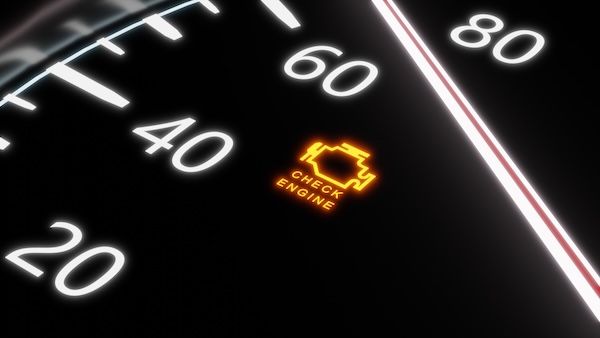
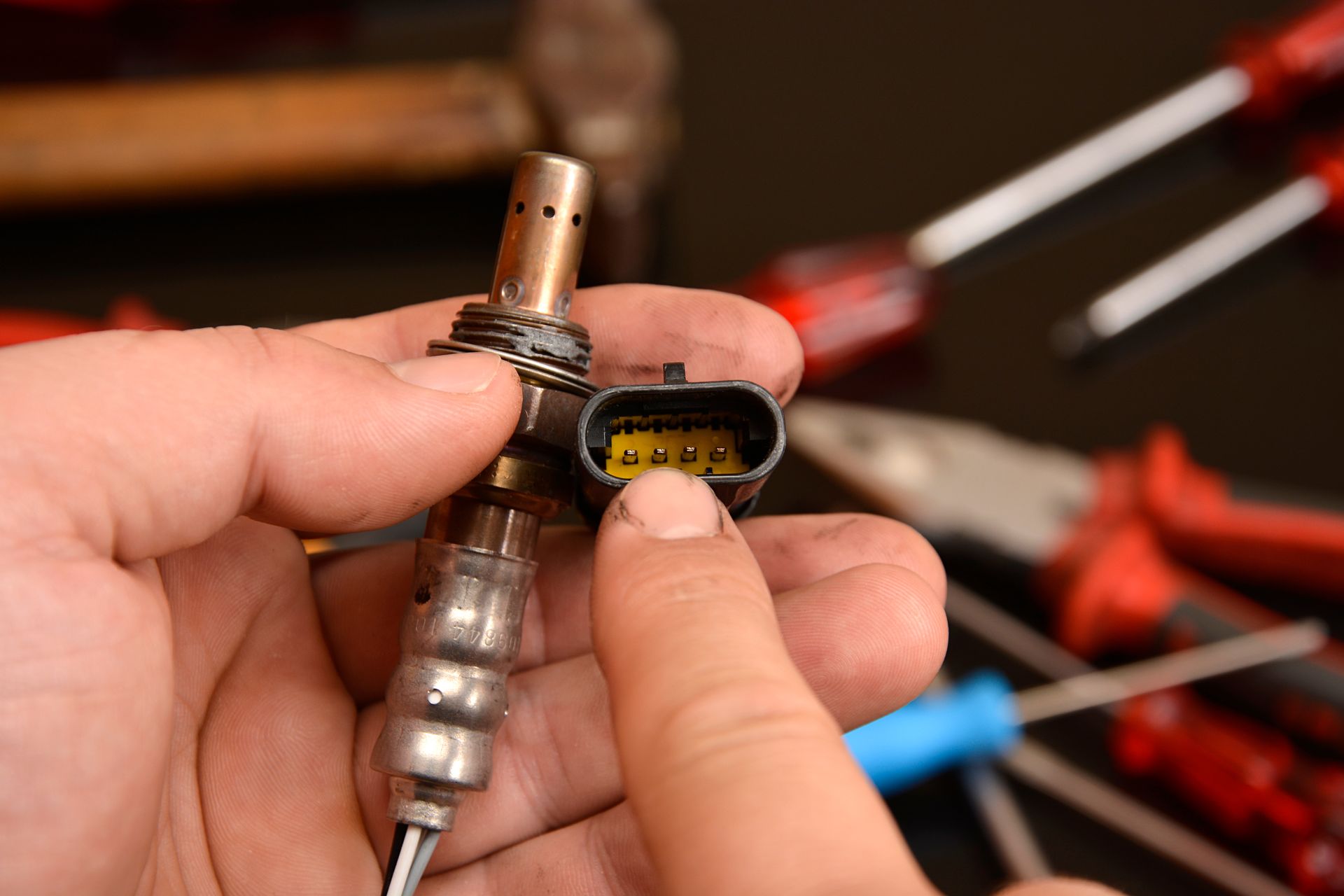
Because the exhaust is “just pipes,” some people assume the check engine light must be unrelated if the sound has not changed. Modern engines use oxygen sensors before and after the catalytic converter to watch the exhaust stream. Problems in the exhaust can trigger warning lights long before the car sounds different.
A failing catalytic converter, cracked exhaust manifold, or bad sensor can all set codes while the system is still quiet. Ignoring those warnings can lead to higher emissions, poor fuel economy, and eventually a converter that overheats or plugs up. If your check engine light stays on, it is worth having it scanned instead of waiting for the exhaust to get noisy.
Myth 4. Exhaust Parts Only Matter for Noise, Not Safety
Many people think exhaust issues are just about how the car sounds from the outside. The safety side is easy to forget because you cannot see exhaust gases, and you get used to smells slowly. A leak that starts small can let fumes build under the car and slip into the cabin through gaps in the floor, trunk, or hatch seals.
That is why you should never ignore an exhaust smell inside the vehicle, even with the windows cracked. Fumes that make you feel sleepy, give you a headache, or burn your eyes are a sign that the system is not routing gases where they belong. Quiet, properly sealed exhaust is not just polite to neighbors, it is important for everyone who rides in the car.
Myth 5. Any Shop Can Weld a Pipe and Call It Good
A quick patch job might seem like the cheapest way to “fix” an exhaust, but the quality of that repair makes a big difference. Sloppy welds, misaligned pipes, or hangers installed in the wrong place can create new stress points and rattles. Over time, those shortcuts often crack or break again.
A solid exhaust repair should at least consider:
- Correct pipe diameter and routing so nothing rubs or hits under load
- Proper hanger placement to support weight without twisting components
- Clean, sealed joints that do not leak or restrict flow
When we repair or replace exhaust sections, we look at how the whole system hangs and moves, not just the one hole that brought the car in. That extra attention keeps you from chasing the same rattle or leak over and over.
How We Approach Exhaust System Inspections and Repair
From the bay, an exhaust inspection is more than a quick listen and a glance at the muffler. We check from the engine forward, looking at manifolds, flex joints, catalytic converters, pipes, and hangers. If there is a noise, we follow it to its source instead of guessing. If there is a smell, we pay special attention to every joint ahead of the cabin.
We also keep your priorities in mind. Sometimes a driver wants the quietest possible repair, sometimes they want to improve sound and flow without setting off warning lights. In either case, we explain what we find, show damage where we can, and talk through options that make sense for the way you actually drive.
Get Exhaust System Service in Hollywood, FL, with King Mufflers
If your exhaust has become louder, developed a rattle, started to smell odd, or turned on the check engine light, this is a good time to have it checked properly. We can inspect the full system, pinpoint leaks or damage, and recommend repairs that balance sound, safety, and performance.
Schedule exhaust system service in Hollywood, FL, with
King Mufflers, and we will help keep your car quiet, safe, and breathing the way it should.